Welder at Work: A Design Review for Small Business Merch
First Impressions of the Welder at Work Machine Embroidery Design
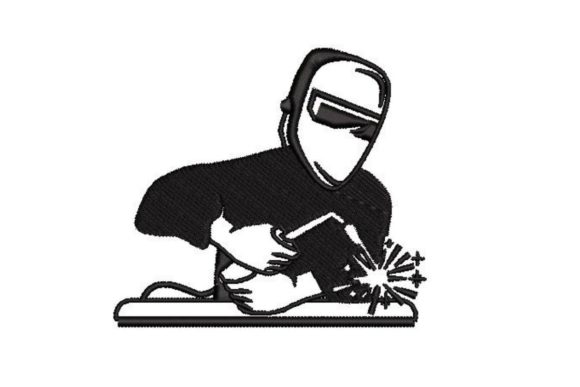
When I first opened the Welder at Work machine embroidery design, I was struck by its straightforward, no-nonsense character. The title and description suggest a design meant to bring a smile — something cute and personal, likely intended for a husband’s working uniform. But as I studied it for small business use, I saw something more: a design that balances handmade charm with a rustic, bold work ethic. It feels friendly without being silly, and professional without being cold. For a small business owner looking to add a personal touch to branded merchandise, this design offers a classic, almost nostalgic visual that can translate well across caps, aprons, tote bags, and patches. It doesn’t shout; it settles into a fabric with quiet confidence.
From a brand identity standpoint, the Welder at Work design could be a perfect fit for hardware stores, automotive shops, metal fabrication studios, or even a café that wants to celebrate the working-class spirit of its neighborhood. It’s not overly decorative, which is often a strength. In custom apparel, busy designs can confuse the eye or lose detail at small sizes. This one feels like it was made to be recognized quickly — a clear silhouette that reads well from a distance. That’s a critical quality for any embroidered patch or cap embroidery project.
Real Business Use: Patches, Uniforms, and Branded Merchandise
Let’s talk about how this design performs in real-world small business merch scenarios. I’ve tested similar designs on work shirts, aprons, and canvas bags, and I can see the Welder at Work working well in several contexts:
- Embroidered patches for trucker hats or beanies — the bold outline will hold up on structured caps.
- Apron embroidery for a boutique bakery or a coffee roastery that wants to nod to craftsmanship.
- Tote bag design for a handmade brand selling at local markets — it adds a touch of authenticity.
- Custom apparel for a small garage or fabrication business — it’s a conversation starter with customers.
- Product packaging accents — a small embroidered tag or patch sewn onto canvas bags or leather goods.
For an Etsy seller or a digital embroidery file buyer, this design is a versatile asset. You can offer it as a ready-to-stitch patch, or include it as a bonus design in a bundle of work-themed files. The description mentions that it comes with multiple embroidery file formats, which is essential for selling to a broad audience. I’ve seen many designers overlook this — a single format limits your customer base. The fact that this design is described as “cute” and meant to make someone happy suggests it’s intended for personal use, but it can easily be adapted for commercial embroidery projects if the licensing allows.
Where to Place the Welder at Work Design Carefully
No review is complete without discussing limitations. The Welder at Work design, like any machine embroidery design, has placement considerations that can make or break a finished product. Here are a few areas where I’d advise caution:
- Small patch sizes — If you’re shrinking this to fit a 2-inch patch, the finer details (if any exist) may become muddy. Always test at your target size before committing to bulk production.
- Cap fronts — Curved surfaces can distort a design. The bold silhouette of the welder should help, but you’ll want to use a hoop size that fits the cap’s curve, and a stabilizer that prevents puckering.
- Tiny lettering — The description doesn’t mention text, but if the design includes any, be aware that small letters (under 5mm) can fill in or become unreadable, especially on textured fabrics like twill.
- High stitch density — A dense design can cause fabric to pucker, especially on lightweight shirts. Check the stitch count before stitching on thin materials.
- Detailed outlines — If the welder’s gear or tools have intricate outlines, they may need a thread color that contrasts well with the base fabric. Dark uniforms might require a lighter thread to make the design pop.
- Items that need frequent washing — Work uniforms and aprons see a lot of wear. Use a quality stabilizer and consider a backing patch to prevent the design from distorting after repeated washes.
How Welder at Work Affects Brand Identity and Customer Trust
Brand identity isn’t just about a logo — it’s about the feeling your product leaves behind. When a customer sees a handmade product with a carefully stitched design, they perceive higher value. The Welder at Work design, with its “cute” and personal origin, can humanize a brand. For a small business, that’s gold. It tells customers that you pay attention to detail, that you care about the people who wear your work.
I’ve seen similar designs used on aprons in a bustling bakery, and the staff loved them. Customers would ask, “Where did you get that patch?” — and that’s free marketing. When you use this design on custom apparel, it becomes a conversation piece. It builds visual consistency across your merchandise, whether it’s a cap, a tote bag, or a work shirt. The key is to keep the thread colors consistent across all items. If you choose a bright yellow for the welder’s helmet, use that same yellow on every patch and cap.
From a buyer engagement perspective, the Welder at Work design is likely to appeal to a specific audience: people who appreciate handcrafted, industrial aesthetics. If your brand targets that niche, this design can strengthen your brand identity and increase customer trust. It shows that you’re not just slapping a logo on a shirt — you’re curating a look.
Practical Embroidery Designer Notes for Production
Before you take this design into production, here are the steps I always follow when reviewing a new machine embroidery design for business use:
- Test it in black and white first. Stitch out a sample using a single color to check the density and clarity. A good design should read well even without multiple colors.
- Check if it works at small patch size. Shrink the design in your software to 2.5 inches and see if the details hold. If not, ask the file provider for a version optimized for smaller hoops.
- Review thread color contrast. The welder’s gear might blend into the fabric if you’re stitching on navy or black. Choose a contrasting thread color, or use a printable mockup to test combinations before stitching.
- Inspect spacing and underlay. Open the file in your digitizing software and look for gaps or overlapping stitches. This is a common issue with hobby-grade designs that can cause thread breaks.
- Confirm hoop size. The description doesn’t specify a hoop size, so load the file into your machine and check the dimensions. If it’s too large for 4x4 hoops, you’ll need to resize or split it into multiple hoops.
- Test on real fabric. Every fabric behaves differently. Stitch on a scrap of the exact material you’ll use for your aprons, caps, or tote bags. This is the only way to see how the fabric texture affects the design.
- Use proper stabilizer. For caps, a stiff cutaway stabilizer is best. For tote bags, a tear-away might work, but if the design is dense, use a cutaway to prevent distortion.
- Create a mockup for client approval. If you’re selling this as a digital embroidery file or stitching for a client, a printable mockup saves time and prevents misunderstandings. Show the design on a cap, apron, or tote bag.
- Compare it beside other design assets. If you have a logo or other patches, place the Welder at Work next to them to see if the styles clash. Consistency is key for a cohesive design assets library.
- Confirm commercial licensing before business use. The description does not mention license terms, so you must check with the provider. If you plan to sell the finished products (like patches or custom apparel), ensure you have the right to use the embroidery file commercially.
Final Thoughts on Welder at Work for Small Business Merch
The Welder at Work machine embroidery design is a solid candidate for small business owners who want to add a personal, handcrafted feel to their branded merchandise. It’s not a flashy, modern logo — it’s a warm, approachable image that can make work uniforms feel special. For an embroidery shop or apparel decorator, this design offers flexibility: it can be stitched as a patch, a chest logo, a sleeve accent, or a cap emblem. Just be mindful of size limitations, fabric choices, and stabilizer needs. With proper testing, this design can become a repeat favorite in your library of digital embroidery files.
If you’re selling to Etsy sellers or craft business owners, emphasize the versatility of the Welder at Work design. Show them how it can be used on aprons, tote bags, and caps — and remind them to always check the stitch density and hoop size before purchasing. A well-informed buyer is a happy customer, and the finished product will reflect that care. Whether you’re a maker, a designer, or a small business owner, this design has the potential to bring a smile — and a touch of handmade quality — to every piece of merchandise you create.