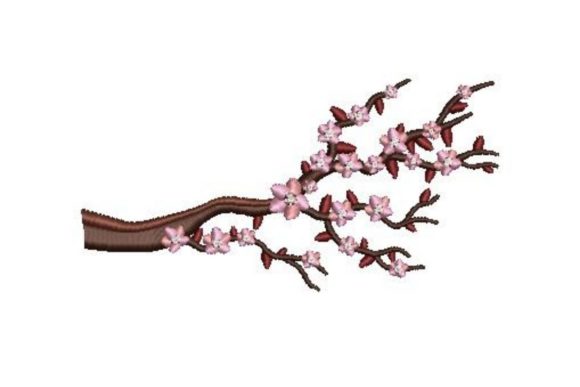
Japanese Cherry Tree Embroidery
As an experienced embroidery designer, I’ve seen countless machine embroidery designs come and go. But the Japanese Cherry Tree stands out for its emotional appeal and versatility. This colorful flower composition embroidery design is perfect for creating handmade gifts and personalized products that feel both meaningful and beautiful.
First Impressions: A Soft, Elegant Design
The Japanese Cherry Tree embroidery design immediately captures attention with its soft, flowing lines and vibrant color palette. The floral arrangement feels delicate yet strong, making it ideal for a wide range of projects. Whether you're working on baby items, wedding gifts, or home decor, this design adds a touch of elegance and warmth.
Its visual softness makes it suitable for romantic and cozy themes, while the intricate details give it a classic, timeless feel. The design’s decorative style is perfect for adding a personal touch to any handmade product.
How to Use Japanese Cherry Tree in Real Projects
This machine embroidery design is incredibly versatile. It can be used for baby embroidery, such as embroidered onesies, blankets, and burp cloths. The soft, flowing shapes make it a great choice for nursery decor and family keepsakes.
For wedding gifts, the Japanese Cherry Tree works well on towels, pillow covers, and aprons. Its elegant look complements traditional and modern wedding themes alike. It also makes a wonderful addition to custom home decor, like throw pillows and wall hangings.
When it comes to tote bags, personalized gift boxes, and craft fair products, the design adds a unique, handmade charm. Etsy sellers and small shop owners can use it to create printable mockups that showcase their work effectively.
Practical Considerations for Embroidery Success
While the Japanese Cherry Tree design is visually appealing, there are some practical concerns to keep in mind. The delicate shapes and dense details require careful attention to stitch density and stabilizer choice. For textured towels or stretchy baby clothes, using the right stabilizer is crucial to prevent puckering or distortion.
Thread color contrast is another important factor. If you’re working on dark fabric, selecting the right thread colors will ensure the design stands out. For thick blankets or heavy fabrics, testing the design on similar material before full production is always a good idea.
Also, check the hoop size and file formats to ensure compatibility with your embroidery machine. Confirming the stitch count and licensing terms on Creative Fabrica is essential before selling finished products.
Enhancing Customer Trust and Emotional Value
Handmade products carry a unique emotional value, and the Japanese Cherry Tree design helps reinforce that. When customers see a beautifully embroidered piece, they perceive higher quality and craftsmanship. This can increase buyer engagement and build trust in your brand.
For Etsy sellers and digital product creators, the design offers a way to stand out in a competitive market. Its aesthetic appeal makes it ideal for product photography, helping to attract potential buyers and boost sales.
Embroidery Tips for the Japanese Cherry Tree Design
To get the best results, start by creating a test stitch-out. This allows you to check small details and ensure the design looks as expected. Comparing thread colors before stitching can help avoid mismatched hues.
Reviewing the stitch density and adjusting it if necessary will improve the overall look. Using the proper stabilizer for your fabric type is key to achieving a clean, professional finish. Always check the product details and licensing on Creative Fabrica before using the design for commercial embroidery or resale.
Why Japanese Cherry Tree is a Must-Have for Your Collection
The Japanese Cherry Tree embroidery design is more than just a pretty image—it's a tool for creating meaningful, high-quality handmade products. Whether you're a small business owner, a wedding gift creator, or a baby product maker, this design offers endless possibilities.
Its ability to adapt to different projects and fabric types makes it a valuable addition to any embroidery collection. With the right approach, it can become a staple in your creative workflow and a favorite among your customers.