Cute Monster Sketch – A Designer's Review for Craft Fair Success
As an embroidery designer who spends weekends behind a craft fair booth, I know that not every cute design translates into a bestseller. I recently pulled up Cute Monster Sketch from my digital embroidery file collection and decided to give it a thorough evaluation before stitching it onto finished products for my next market. This machine embroidery design promises a friendly monster ready to add character to children's items. But does it hold up on a tote bag, a tea towel, or an embroidered patch? Is it practical for batch production and Etsy listings? Let me share my real-world judgment from the perspective of a small shop product creator.
First Impressions: A Friendly Face That Sells
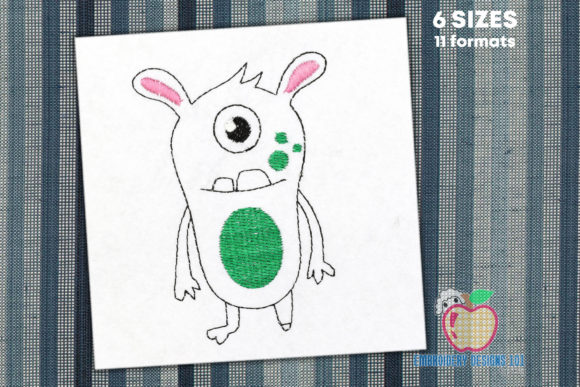
The first thing I notice about Cute Monster Sketch is its approachable, playful mood. This is not a scary monster—it's a soft, friendly character with a charming expression. The design feels modern and whimsical, perfect for the Toys category and children's embroidery projects. It doesn't lean rustic or farmhouse; instead, it has a clean, minimal style that fits well on both pastel and bright fabrics. For a craft fair product, this is a strong starting point. Customers are drawn to designs that make them smile, and a cute monster invites interaction from kids and parents alike. The design is easy to understand at a glance, which is critical for a booth where shoppers scan quickly. Cute Monster Sketch communicates instantly: "I'm friendly, I'm fun, and I belong on something handmade."
Performance Across Popular Craft Fair Products
I tested Cute Monster Sketch mentally across the products I typically bring to a weekend market: tote bags, aprons, tea towels, caps, patches, fabric pouches, pillow covers, and market bags. Here is how it performs on each:
- Tote bag design: This is where the monster shines. Placed centrally on a canvas or cotton tote, it becomes a bold focal point. The friendly face draws attention from across the booth. I would pair it with a coordinating thread color—maybe a bright green or soft blue—to make it pop. The stitch density appears moderate, so it should hold up well on medium-weight fabric.
- Apron embroidery: On a child-sized apron, Cute Monster Sketch adds a playful touch that makes the apron feel like a special gift. It works well as a chest or pocket design. For adult aprons, it might feel too juvenile, so I'd reserve it for children's or novelty aprons.
- Tea towel embroidery: This design is a natural fit for tea towels. The friendly monster peeking out from a kitchen towel makes a whimsical gift item. Because the design is not overly large, it fits nicely on a towel hem without overwhelming the fabric. Just be sure to use a light stabilizer to prevent puckering on the textured fabric.
- Embroidered patch: As a standalone patch, Cute Monster Sketch is excellent. The shape is compact and recognizable, making it perfect for iron-on or sew-on patches. I would produce a batch of monster patches and sell them as DIY appliqué kits—a popular booth item.
- Caps and curved surfaces: This design is medium-sized, so it can fit on a front cap panel. However, the monster's details—especially the eyes and mouth—must remain clear when curved. I recommend testing on a cap before committing to a large run. Use a cap hoop and a firm stabilizer.
- Fabric pouches and pillow covers: Small pouches benefit from a cute design that fits in a limited space. Cute Monster Sketch works well as a zipper pouch accent. For pillow covers, it adds a cozy, handmade feel that appeals to children's room decor buyers.
- Market bags and gift items: Reusable market bags with a monster face are a clever conversation starter. I would use bright thread colors to make the design stand out against eco-friendly fabric. This design also works for giftable items like baby blankets or pajama sets.
Practical Production and Selling Points
From a business perspective, Cute Monster Sketch offers several advantages for craft fair sellers and Etsy shop owners. First, the design is easy to understand at a glance, which is crucial for booth traffic. Shoppers do not need to study the embroidery—they immediately see a cute monster and decide if it fits their style. That clarity helps convert window-shoppers into buyers.
Second, the design works both as a small accent and a larger focal point. Depending on the hoop size you choose, you can scale it up or down. I would recommend checking the original embroidery file to see if it is digitized for multiple sizes. If not, you may need to resize carefully to avoid distorting the monster's features. As a rule, I always test two sizes before production.
Third, Cute Monster Sketch photographs well for online listings. The clear shapes and friendly expression translate nicely into a digital listing image. I would create a printable mockup showing the design on a tote bag or a child's shirt to use in my Etsy shop. High-quality photos of the finished product increase click-through rates and perceived value.
Finally, the design feels repeatable for batch production. The stitch density looks manageable, and the thread colors are limited. I suspect it uses only a few color changes, which keeps hooping time low. For a small shop product, that means you can produce more units in less time, improving your profit margin.
Careful-Use Notes for Professional Results
No design is perfect out of the box. Here are the careful-use notes I keep in mind when stitching Cute Monster Sketch:
- Dense stitch areas: If the monster's body or features contain heavy satin stitching, test on a scrap of your target fabric. High density can cause puckering on lightweight fabrics like quilting cotton or voile. Use a tear-away or cut-away stabilizer as needed.
- Tiny details: The monster's eyes and mouth are likely small. At smaller hoop sizes, these details may lose clarity. I recommend stitching a test at the intended size and checking that the expression remains readable. If the eyes become blobs, scale up or simplify the design.
- Thick fabric and towels: On terry cloth or thick towels, the design may sink into the loops. Use a water-soluble topper and a medium-weight stabilizer to keep the stitches crisp. Avoid high stitch counts in dense areas that could cause the fabric to distort.
- Curved cap surfaces: As mentioned, test on a cap before production. The monster's face should not stretch or warp. Use a firm stabilizer and a cap hoop if available.
- Dark fabric: If you stitch on dark fabric, choose thread colors that contrast well. A bright green or white monster will stand out. Avoid dark thread on dark fabric unless you want a subtle tone-on-tone effect.
- Fabric texture: Linen, burlap, or textured cotton can affect stitch appearance. Test on your chosen fabric to ensure the design does not lose its friendly character.
Embroidery Designer's Checklist Before Production
Before you launch Cute Monster Sketch as a craft fair product or add it to your Etsy shop, run through this practical checklist. I use these steps for every machine embroidery design I commercialize:
- Test on scrap fabric: Always stitch the design on a sample of your actual product fabric. This reveals thread tension issues, density problems, and size suitability.
- Check thread contrast: Hold your chosen thread colors against the fabric. The monster's features should be clearly visible from a few feet away.
- Review spacing and placement: Mark the center of your product (tote bag, apron, etc.) and place the design accordingly. Leave enough margin for seams and hems.
- Confirm hoop size: Verify that the embroidery file fits your hoop. If you need to resize, use embroidery software that preserves stitch quality.
- Inspect stitch density: High density can cause fabric damage. If the design feels too dense, consider reducing the stitch count or using a lighter stabilizer.
- Use the right stabilizer: For tote bags and aprons, a medium cut-away stabilizer works well. For patches, use a tear-away. For towels, use a water-soluble topper.
- Create at least one real mockup: Stitch the design on a finished product and photograph it. Use that image in your Etsy listings and social media. A real mockup sells better than a digital render.
- Compare fabric colors: Test the design on light and dark versions of your fabric. Some colors may wash out the monster's features.
- Confirm commercial licensing: Before selling finished products, check the license of the digital embroidery file. Some designs are for personal use only. Cute Monster Sketch is described as a machine embroidery design suitable for children's items, but always verify the terms before mass production.
As an experienced designer, I find that Cute Monster Sketch has strong potential for craft fair sellers and handmade product creators. Its friendly character, clear silhouette, and versatility across tote bags, tea towels, patches, and more make it a solid addition to your design assets. With careful testing and attention to stitch density, fabric texture, and placement, this design can become a consistent seller in your booth. I recommend creating a sample display with a finished tote bag and a few embroidered patches to catch customers' eyes. The cute monster isn't just for Toys—it fits into the broader world of Embroidery for gifts, home decor, and everyday accessories. Give it a test stitch, and I think you will see the same selling potential I do.