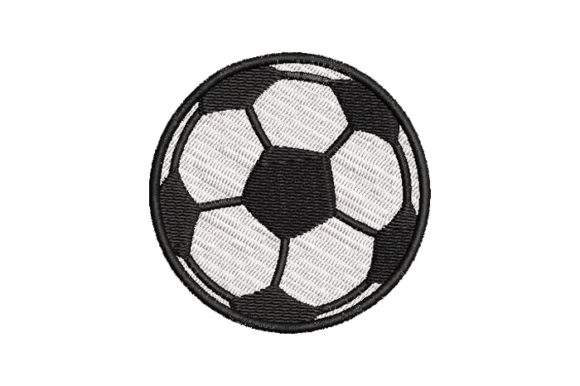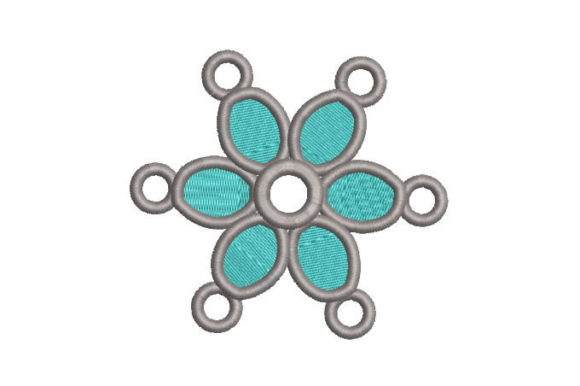
Circular Figure Embroidery Design
As an experienced designer and embroidery product reviewer, I’ve evaluated countless machine embroidery designs. Circular Figure stands out as a simple yet versatile shape that can elevate a wide range of projects. Its clean lines and geometric appeal make it a strong choice for both personal and commercial use. But like any design, its success depends on how well it’s applied to the right fabric, project, and customer need.
The First Impression: A Minimalist Shape with Big Potential
When I first saw Circular Figure, I was struck by its simplicity. It’s a basic circle, but the way it’s structured gives it a modern, almost playful feel. The design has a neutral personality—neither too bold nor too subtle. It works well in a variety of color schemes and can be adapted to fit different styles. Whether you're making a baby onesie, a tote bag, or a holiday ornament, this design feels at home.
The layout is straightforward, with no intricate details or complex layers. That makes it ideal for beginners and seasoned embroiderers alike. However, its minimalism also means it needs careful consideration when it comes to placement and fabric choice. A poorly chosen background or incorrect thread color could make the design look flat or uninteresting.
Real-World Use: Where Circular Figure Shines
I recently worked on a custom embroidered tote bag for a client who wanted something modern and eye-catching. Circular Figure was the perfect fit. It added a clean, artistic touch without overwhelming the design. The size and placement were just right, and the stitch density was light enough to avoid bulkiness on the fabric.
This design also works well for sweatshirt embroidery, especially when used as a subtle accent. It doesn’t require a large hoop, which is a plus for smaller machines. For baby items, like onesies or blankets, the softness of the shape pairs well with gentle fabrics. It’s not too harsh or angular, which is important for baby-friendly designs.
Another scenario where Circular Figure excels is in apron embroidery. It can be placed near the pocket or along the side seam, adding a nice visual element without interfering with the functionality of the apron. It also works great as an embroidered patch, either as a standalone piece or part of a larger design.
Where to Be Cautious: Limitations and Considerations
While Circular Figure is easy to work with, there are some situations where it might not perform as well. On small hoop sizes, the design could feel cramped, especially if you’re trying to add more elements around it. If you’re working with textured fabrics, like denim or canvas, the stitch density may cause the design to sit too high or create a visible bump.
Thin or stretchy fabrics can also be a challenge. The design may not hold up well on materials that aren’t stable, leading to puckering or distortion. Dark fabrics might require a different thread color to ensure visibility, and layered garments can complicate the stitching process if the design isn’t positioned correctly.
For curved surfaces, like caps or hats, the circular shape might not align perfectly. You’ll need to adjust the placement carefully to maintain symmetry. Tiny lettering or detailed corners could be problematic if the design is scaled down too much.
Impact on Visual Appeal and Customer Perception
Circular Figure has a subtle but noticeable effect on the overall look of a finished product. When done right, it adds a polished, professional touch that can enhance the value of handmade products. Customers often respond positively to clean, geometric designs because they feel modern and timeless.
For small business owners and Etsy sellers, this design can be a reliable addition to your product line. It’s easy to customize, fits a variety of items, and can be used in printable mockups or digital product previews. It also supports brand consistency, especially if you’re looking for a recurring motif across different items.
As a personalized gift, Circular Figure offers flexibility. It can be used on baby items, wedding gifts, or holiday presents, making it a versatile choice for creative entrepreneurs. The design’s simplicity allows for easy modification, which is great for custom orders.
Practical Designer Notes: Tips for Success
Before using Circular Figure in a real project, I always recommend testing it on scrap fabric. This helps you see how the stitches look on different materials and ensures the design is suitable for your intended use. Check the thread color contrast—especially on dark or light backgrounds—to make sure the design stands out as intended.
Review the stitch density to ensure it’s appropriate for your fabric type. If the design is too dense, it could cause stiffness or pilling. Confirm the hoop size required for the design to avoid issues during the embroidery process. Inspect small details closely, as even minor imperfections can affect the final look.
Test the design in black and white mockups to see how it appears without color. Compare it on light and dark fabric backgrounds to determine the best thread choices. Always use the proper stabilizer for the fabric you’re working with, and check whether the design is suitable for both personal and commercial projects.
If you plan to sell finished items or digital products featuring Circular Figure, make sure to confirm the licensing terms before proceeding. Some designs may have restrictions on commercial use, so it’s important to verify that before moving forward.